


Dominican Republic Floods Claim Child’s Life
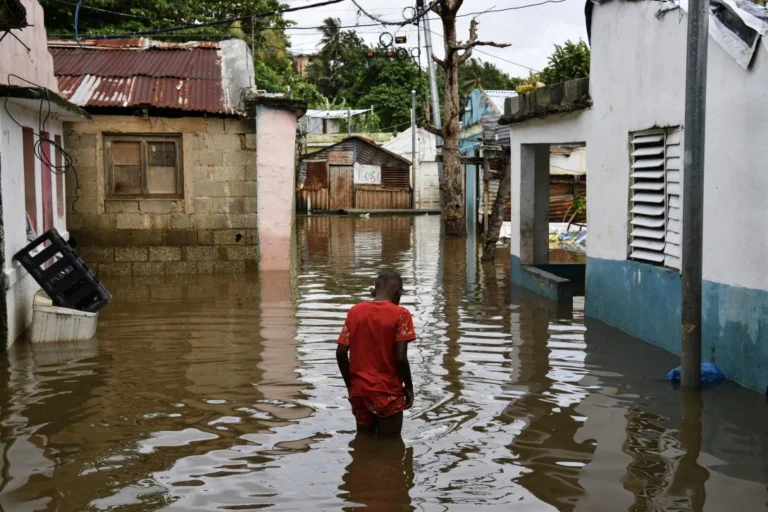
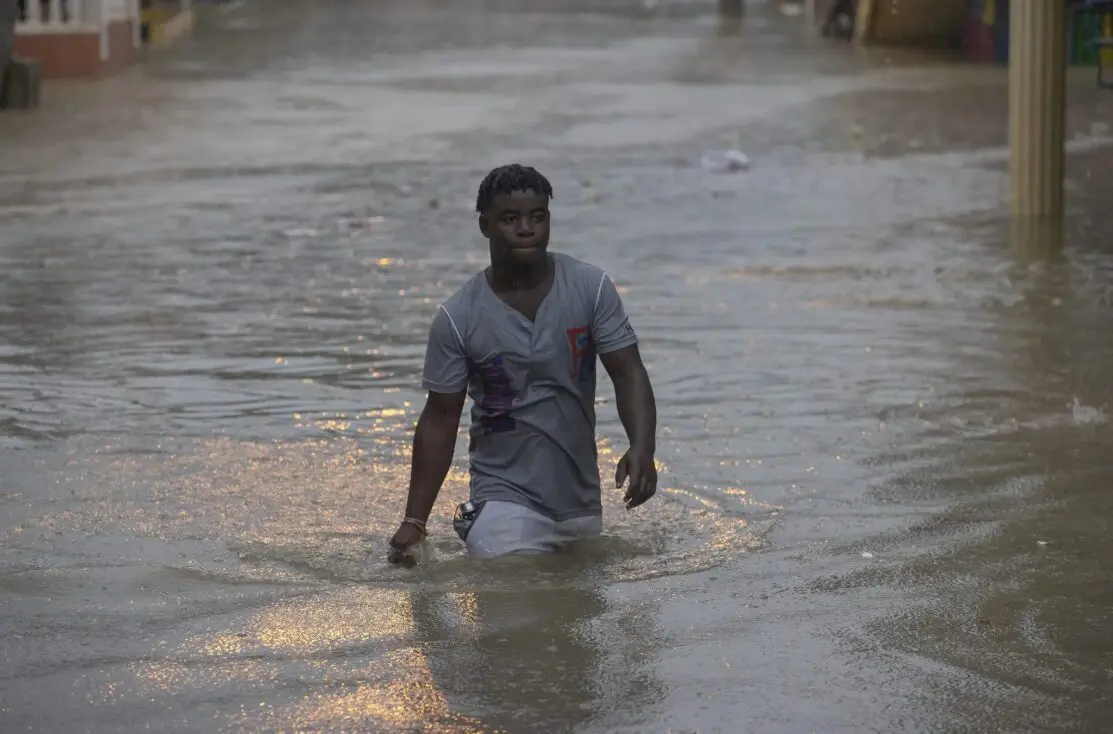
In the face of persistent rains, the Government continues to deploy relief agencies to assist the most vulnerable sectors. Photo: Civil Defense.
April 8, 2026 Hour: 5:49 pm
🔗 Comparte este artículo
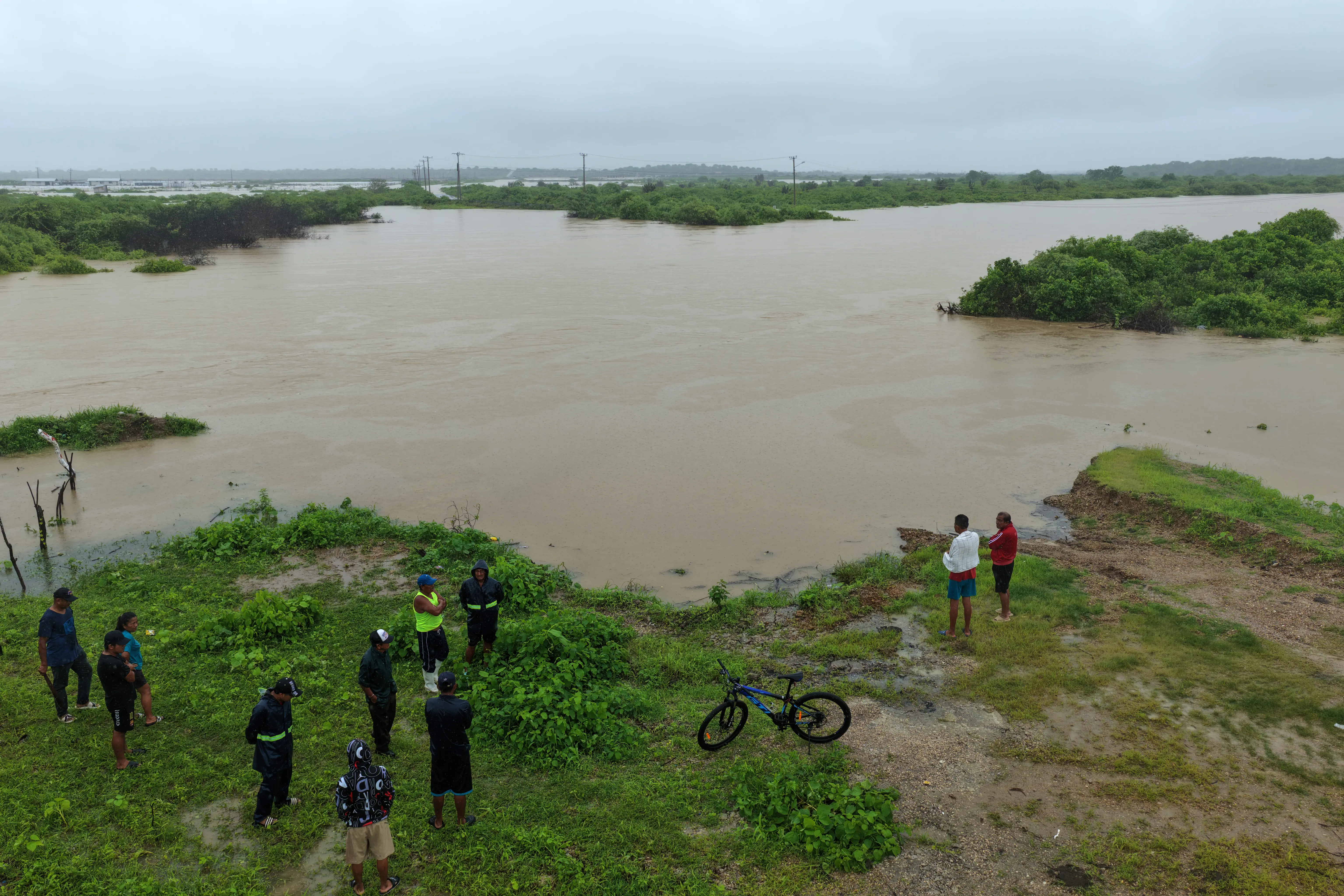
Heavy rains from a trough have caused widespread floods across the Dominican Republic since April 8, tragically resulting in the death of a child.
The incidence of a trough over the territory of the Dominican Republic triggered heavy precipitations starting early Wednesday, leaving a tragic toll and placing 17 provinces under various alert levels.
The Emergency Operations Center (COE, in Spanish) officially confirmed the death of a child in the municipality of Western Santo Domingo. The tragedy occurred after a wall collapse, which was a direct consequence of extreme soil saturation caused by the relentless rains.
In response to the persistent rains, the Government of the Dominican Republic has initiated a comprehensive deployment of relief agencies. These efforts are primarily focused on assisting the most vulnerable sectors, with particular attention directed towards areas like Los Alcarrizos and Western Santo Domingo.
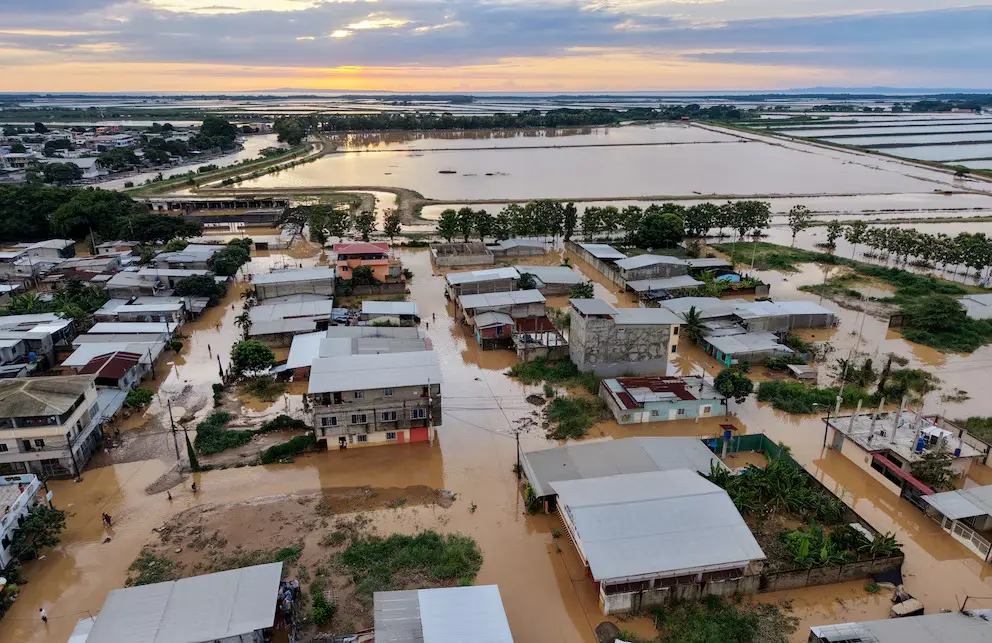
Additionally, authorities are actively investigating the possible decease of a pregnant woman due to drowning, awaiting official forensic reports. Meanwhile, communities in Greater Santo Domingo and surrounding areas grapple with extensive flooding and significant material damage. Assistance, including food and household items, has been dispatched to families who suffered total losses of their homes.
Text reads: “Rescuers from the Civil Defense and members of @bomberosdn, rescued alive a man who was trapped in a sewer in a residential area of LasPraderas in Western Santo Domingo. Likewise, about ten elderly adults in a situation of vulnerability were taken to a safe area.”
During a critical work session at the command center, President Luis Abinader emphasized that the absolute priority is to preserve human life. He instructed the immediate mobilization of resources towards critical areas where water levels have exceeded safety thresholds in popular settlements.
The prevailing meteorological situation necessitated the declaration of a yellow alert in Monsignor Nouel, San José de Ocoa, San Cristóbal, Peravia, and the National District, while eleven other demarcations remain under a green alert.
The Dominican Government urged the population at high risk to strictly adhere to the guidelines issued by civil protection agencies, as forecasts indicate that precipitations are expected to shift towards the west of the country.
The profound impact of this atmospheric phenomenon starkly highlights the inherent vulnerability of urban infrastructure, especially within the most susceptible sectors. This acute vulnerability to extreme climatic events underscores the urgent demand for a highly coordinated state response and stringent surveillance over river basins that are at heightened risk of overflowing.
The recurrent nature of such hydrometeorological events necessitates not only immediate relief but also long-term strategic planning and investment in resilient infrastructure to mitigate future disasters and protect human life.
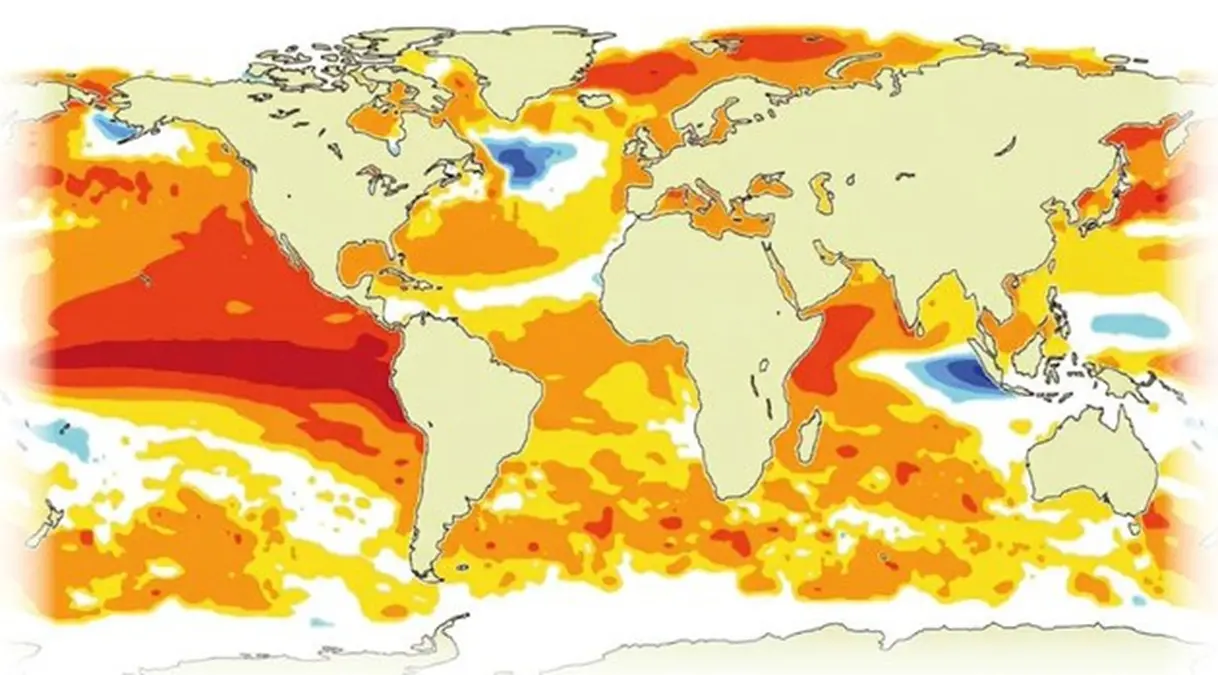
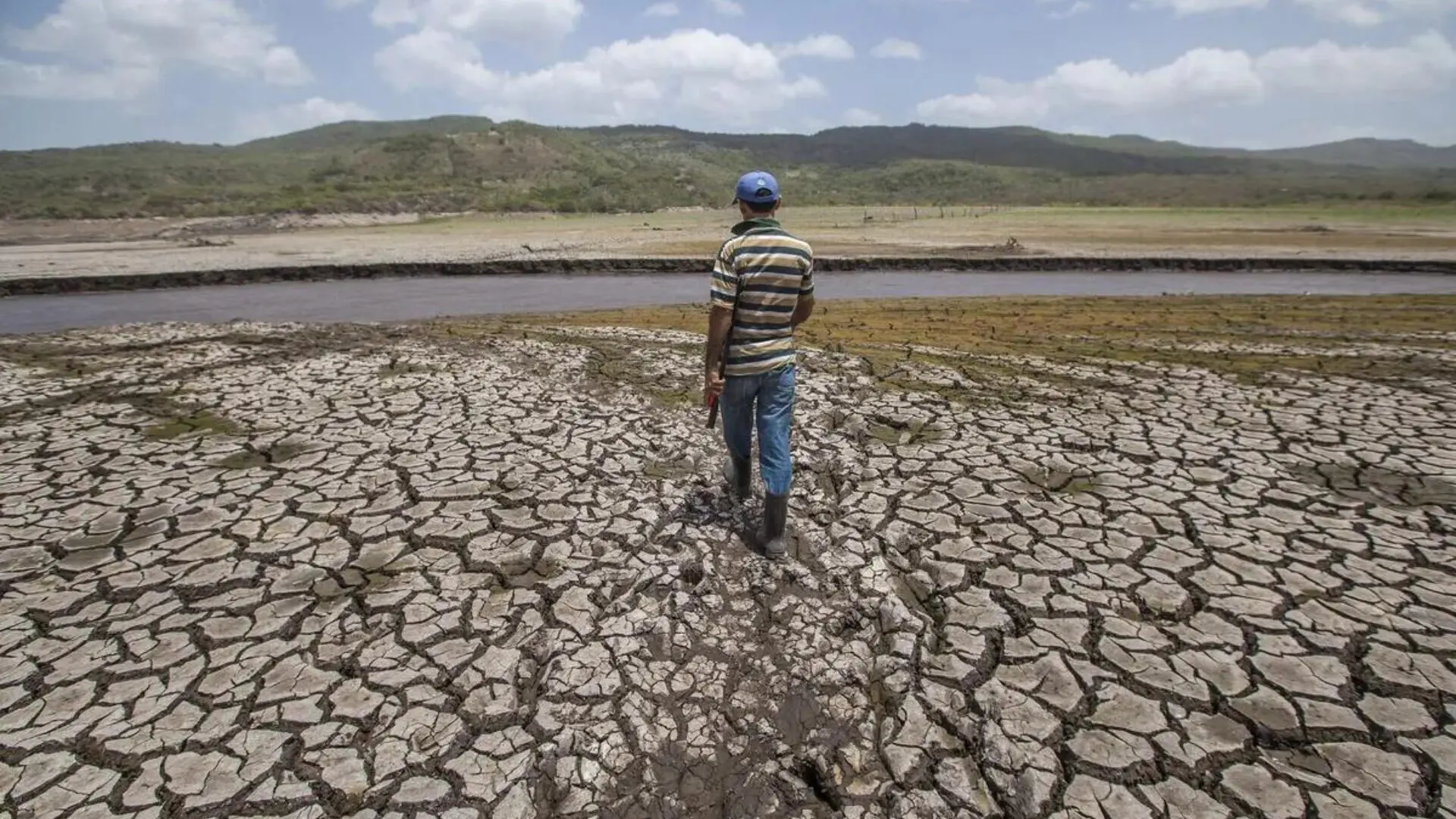
Adding to the regional concerns, the vulnerability of the region to extreme hydrometeorological events is further exacerbated by recent projections from the European Centre for Medium-Range Weather Forecasts. These projections indicate a 98% probability that the El Niño phenomenon will develop before August of this year.
Author: Laura V. Mor
Source: Agencies